Clinics, practices and appointment-based businesses
Clinic, medical practice, aesthetics, salon, law firm: if you sell appointments, you don't lose money when clients are scarce — you lose it when a slot goes empty and nobody told you. And the calendar, which decides the whole month, is usually kept by hand — in a WhatsApp chat someone has to read, understand and copy over.
Illustrative volumes, to size the problem — not client data. The math that matters is yours, and the number that hurts isn't the hours: it's the empty slots, which don't come back next month.
Your day
Not a feature list — this is what really happens at the front desk, every week.
"Anything open Thursday?" arrives at 7 a.m., at lunch and at 10 p.m. on Sunday. Whoever answers has to open the calendar, check and reply — and meanwhile the slot may be gone.
Someone spends the afternoon sending the same message to the whole next-day schedule.
The slot stays blocked, the professional sits idle, and there were people on the waiting list.
Someone cancels a 2 p.m. at 9 a.m. Finding who fits that slot is manual work.
One by one, on WhatsApp, while the phone keeps ringing.
The calendar is on one end, finances on the other, and reconciling is done by eye.
Where each piece fits
Each one solves one part. Together, nobody has to type the same thing twice. Below is what each one does for you.
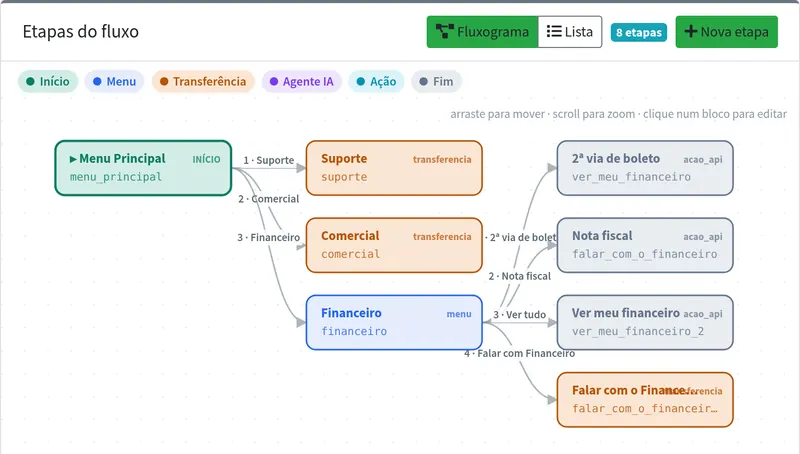
Clients book, reschedule and cancel by chatting — no app, no portal, no password. They pick from slots that actually exist, and the appointment goes into the professional's calendar and their Google Calendar. One calendar per professional, with their own services and durations.
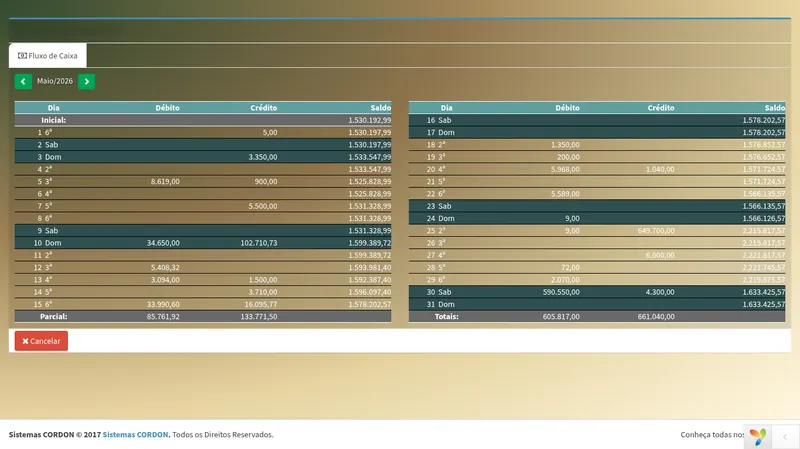
Memberships, session packages, receipts and service invoices, with billing by bank slip (boleto) and PIX (Brazil's instant payment). What was delivered becomes revenue without anyone copying it from a spreadsheet.
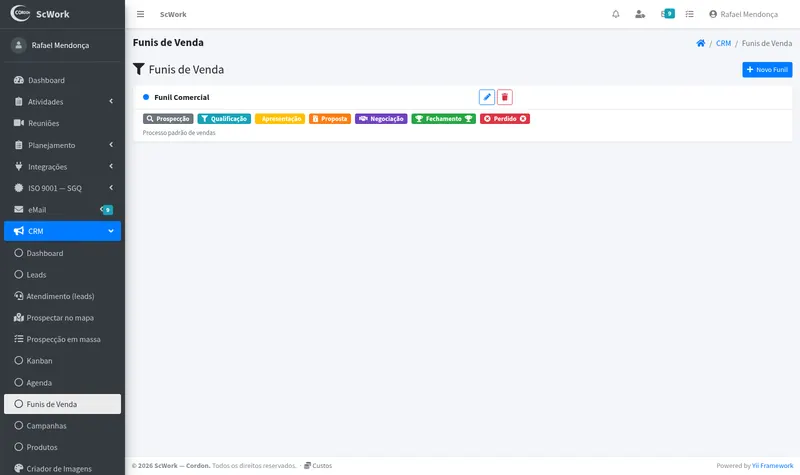
For those with more than one location, or a team that does more than customer service: tasks with deadlines, a CRM for the patient who asked for a quote and never came back, and document control for those who need written procedures.
Where to start: Here, almost always with WppManager — unlike other industries, where the starting point is usually CdAdm. For appointment-based businesses, the pain lives in the calendar and on WhatsApp, not in finances. The rest comes later, if needed.
Before you ask
No. Each professional connects their account and keeps using Google as usual — including on their phone. Anything they book there stops being offered on WhatsApp right away, because sync works both ways.
And they will. You decide what the bot handles and what it hands over — and when it doesn't know, it transfers instead of improvising. Booking is exactly the most repetitive, least personal request: taking it off the front desk frees time to serve well whoever walks in.
That's exactly how the module was built: one calendar per professional, with their schedule, the services they offer and the length of each. The system only offers what actually fits.
The reminder goes out automatically before the appointment (you choose how many hours ahead), and the reply comes back to the same chat. It's not a promise to end no-shows — it takes confirmations off someone's hands.
No. WppManager records the conversation and the appointment — name, phone, service and time. Medical records are a different category of data and responsibility, and we'd rather tell you what the system doesn't do than have you find out later.
No sales script. You tell us how things work today, and we tell you honestly what we solve and what we don't — and where it would make sense to start.